


Quick answer
Akureyri is worth visiting if you're traveling Iceland's northern circuit or seeking alternatives to Reykjavík's crowds. The town serves as the logistical hub for Lake Mývatn, Húsavík whale watching, Goðafoss waterfall, and Grímsey Island day trips. Winter visitors gain access to consistent northern lights visibility and Iceland's only commercial ski resort. Summer travelers find midnight sun hiking and botanical gardens at 65°N latitude.
Akureyri recorded 19,219 residents in 2024, making it Iceland's largest settlement outside the capital region. Its sheltered fjord position creates a microclimate warmer and drier than coastal towns at the same latitude—average July highs reach 14°C, January lows rarely drop below -5°C. The botanical garden contains sub-Arctic plant species that survive nowhere else in Iceland, a curiosity given the town's proximity to the Arctic Circle. The practical case for visiting Akureyri centers on geography. Travelers driving the Ring Road reach the town after the northeast's gravel stretches and before the Westfjords turnoff. It concentrates services—supermarkets, car rentals, medical facilities, and the region's only commercial airport with year-round domestic flights. Day-trip operators based here run routes to Lake Mývatn's geothermal fields, Dettifoss in Vatnajökull National Park, and winter whale watching from Húsavík harbor. Staying in Akureyri rather than rural guesthouses cuts 60-90 minutes from daily driving to northern landmarks. The town itself holds limited tourist infrastructure compared to Reykjavík. Akureyrarkirkja, the hillside church completed in 1940, offers fjord views but requires a steep walk from the harbor. Listagil, the downtown arts district, clusters galleries and craft studios in former warehouses—most close by 17:00. The botanical garden operates from June through September, showcasing 7,000 plant species adapted to northern latitudes. Travelers expecting urban attractions find Akureyri's appeal lies in its function as a base camp, not a destination. Seasonal factors shift the equation. December through March brings aurora visibility on 60-70% of clear nights, according to the Icelandic Meteorological Office. Hlíðarfjall ski area, 20 minutes west, operates December to May with north-facing slopes holding snow into spring. June and July deliver near-constant daylight—sunset occurs after 23:00, enabling extended hiking in Kjarnaskógur forest. September sees autumn colors in the highlands and fewer tour groups at Goðafoss, 45 minutes east. Budget considerations matter: July-August hotel rates run 30-40% above shoulder-season pricing, while winter flights from Reykjavík cost half the summer fare.
“Akureyri's sheltered fjord creates a microclimate warmer and drier than any coastal settlement at 65°N latitude.”
When Is Akureyri Worth Visiting for Lake Myvatn Trips
The period between June and August offers the most reliable weather for touring Lake Myvatn from Akureyri, while shoulder months provide quieter exploration. Regardless of the season, aim to arrive between 12:00–14:00 to bypass peak afternoon crowds at the Myvatn Nature Baths.
Summer (June–August)
HighMild, 10°C to 15°C
Long daylight hours allow for extended exploration of the Myvatn region. Access to all highland roads is typically open.
Shoulder (May, September)
ModerateCool, 3°C to 9°C
Fewer travelers visit during these months. Be prepared for variable conditions and potential late or early snowfall.
Winter (October–April)
LowCold, -5°C to 2°C
Daylight is limited, but this window provides chances to see the aurora borealis. Some road sections may require 4x4 vehicles.
Daily Arrival
Moderate to High—
For the most serene experience at the nature baths, arrive between 12:00–14:00 to avoid the surge of visitors later in the day.
Verdict: The optimal balance of accessibility and crowd management is found from June through August, specifically arriving between 12:00–14:00 to ensure a more serene experience.
Opening Hours for Is Akureyri Worth Visiting Itineraries
The Mývatn Nature Baths maintain consistent operating hours throughout the week to accommodate visitors traveling from Akureyri. The facility is open daily from noon until late evening.
| Monday | 12:00–22:00 | |
|---|---|---|
| Tuesday | 12:00–22:00 | |
| Wednesday | 12:00–22:00 | |
| Thursday | 12:00–22:00 | |
| Friday | 12:00–22:00 | |
| Saturday | 12:00–22:00 | |
| Sunday | 12:00–22:00 |
How to Get There When Is Akureyri Worth Visiting
Lake Myvatn is located approximately 85 kilometers east of Akureyri. The most direct and flexible way to reach the area is by driving along the Ring Road (Route 1).
Route 1 east from Akureyri
Public transport (Strætō) line 56
Nearby Sights to See When Is Akureyri Worth Visiting
The area surrounding the Myvatn Nature Baths offers concentrated volcanic features that allow for a comprehensive exploration of Iceland's geothermal activity. Combining a soak with these nearby geological sites creates a balanced day of activity and relaxation.
Dimmuborgir
This volcanic field of irregular lava pillars and caves provides an accessible walking environment that complements the geothermal themes of the baths.
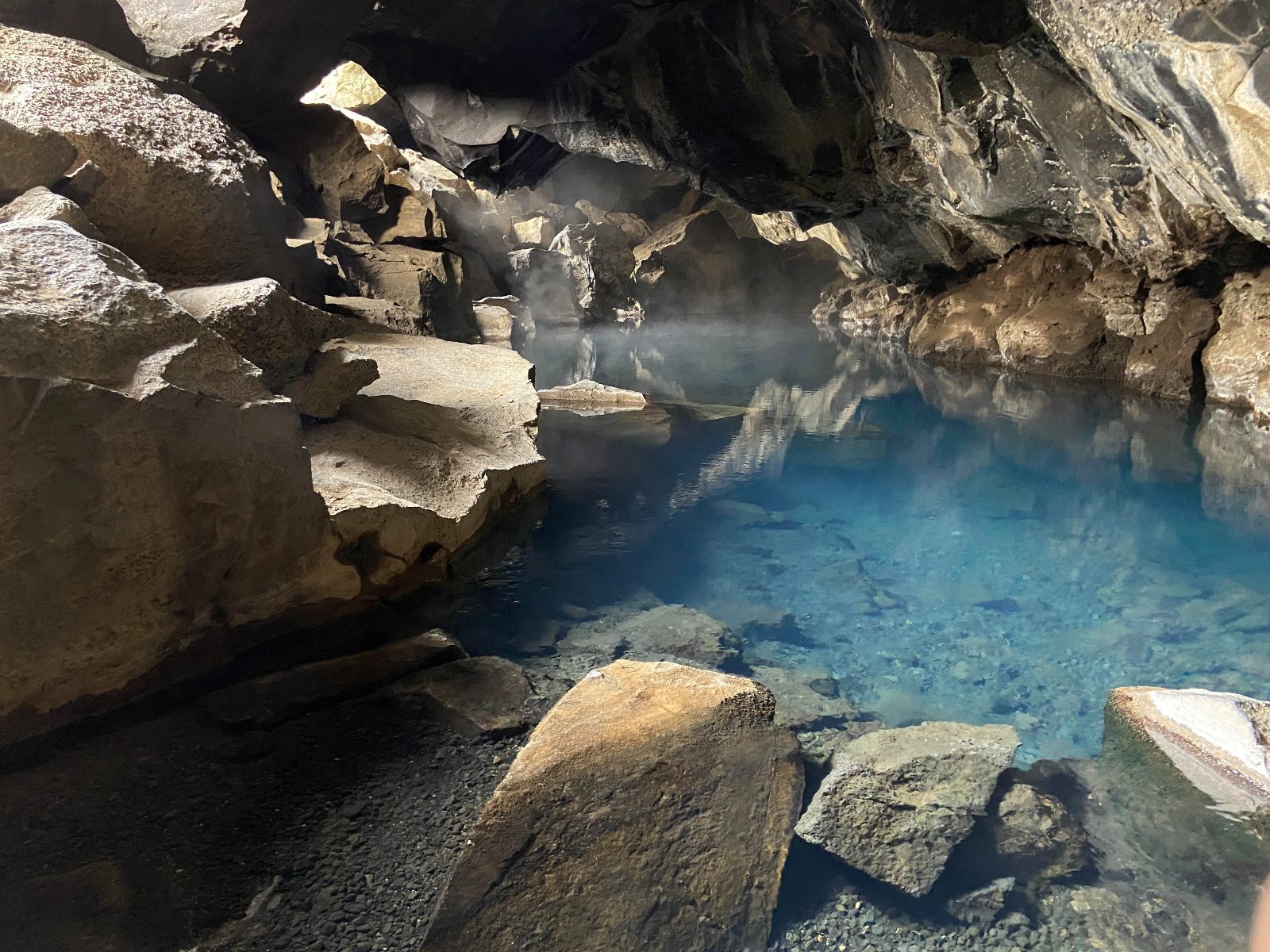
Dimmuborgir lava formations Iceland
8 min drive
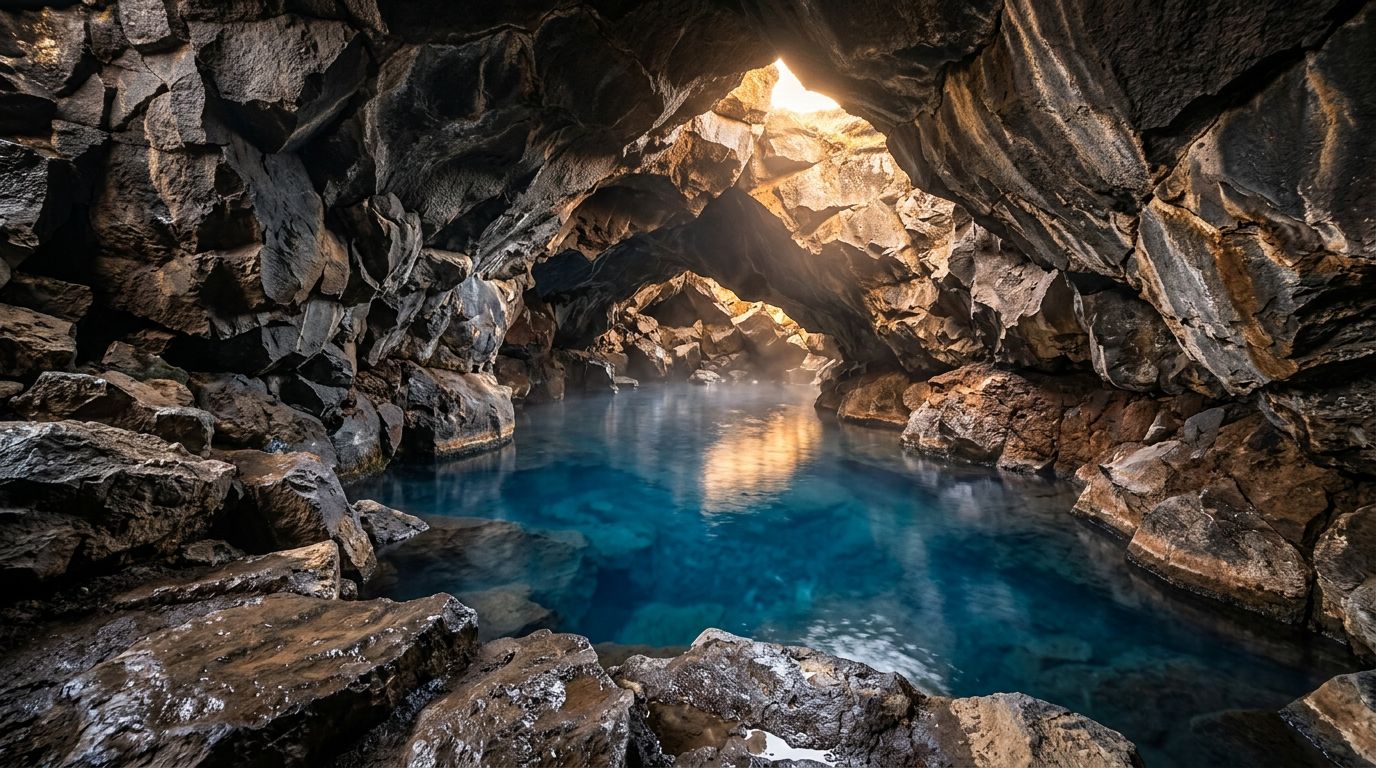
Grjotagja cave interior thermal spring
15 min drive
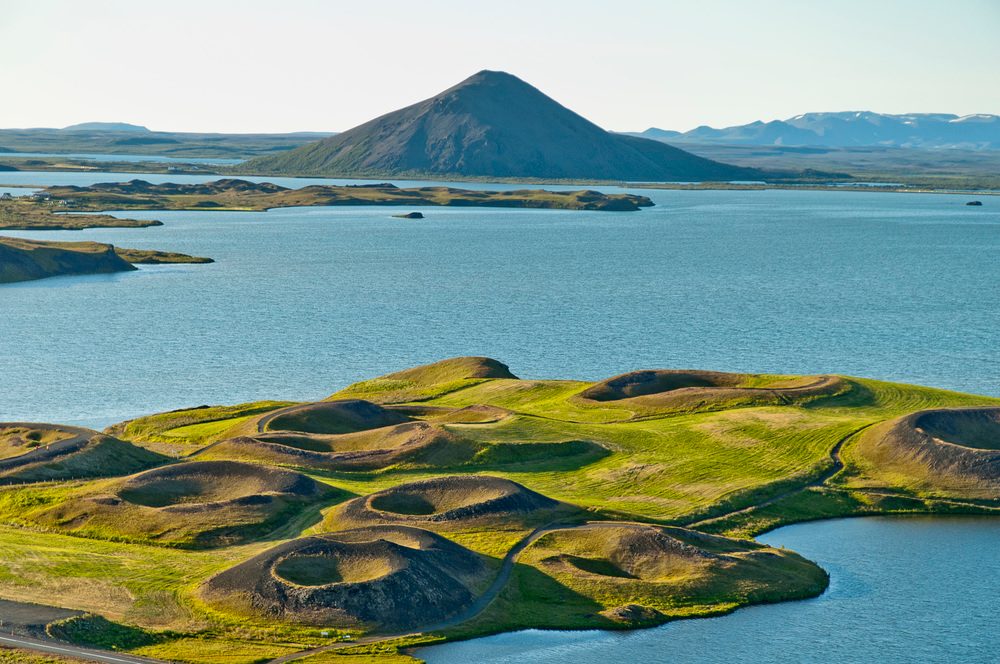
Hverir Hverarond mud pools Iceland
15 min drive
Skutustadagigar pseudocraters Myvatn
Check availability
Common Questions About Visiting Akureyri and Lake Myvatn
Everything you need to know about is akureyri worth visiting